
Multiple small randomized controlled trials (RCTs) have studied saffron extract (typically 28–30 mg/day, standardized) for mood-related self-reported symptoms over 4–12 weeks. Some show favorable changes on mood-symptom scales. The evidence is preliminary, and saffron is not a substitute for medical care.
What "extract" means
A standardized saffron extract concentrates the active compounds (crocin, safranal). It's not the same as eating saffron threads. The trial doses are reproducible because the extract is measured.
Editor's note
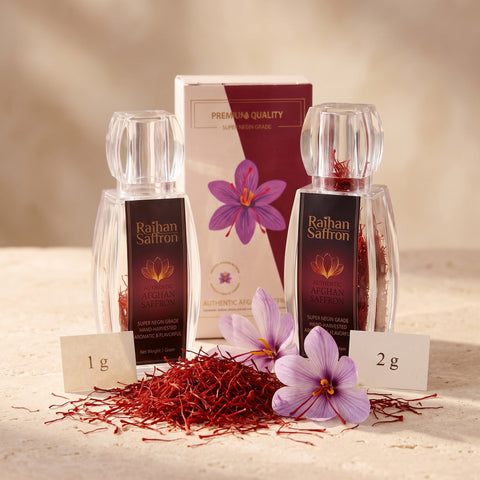
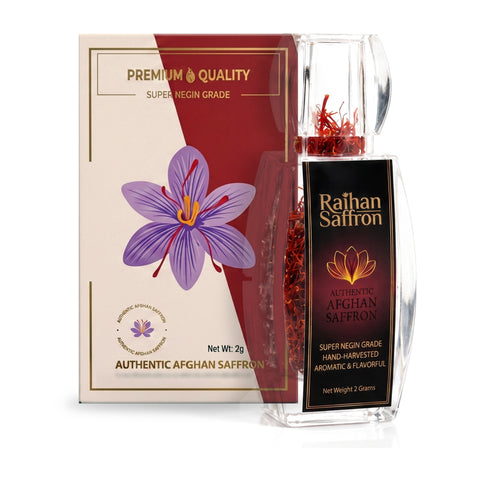
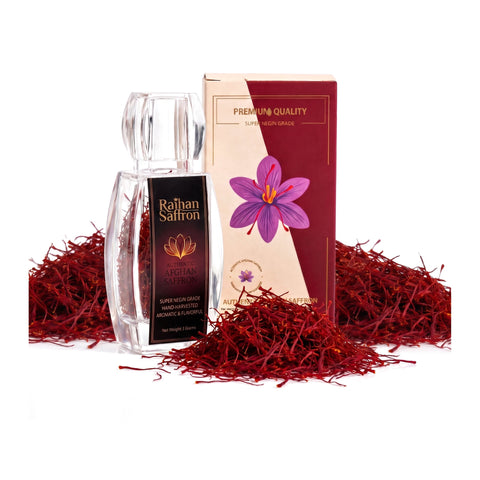
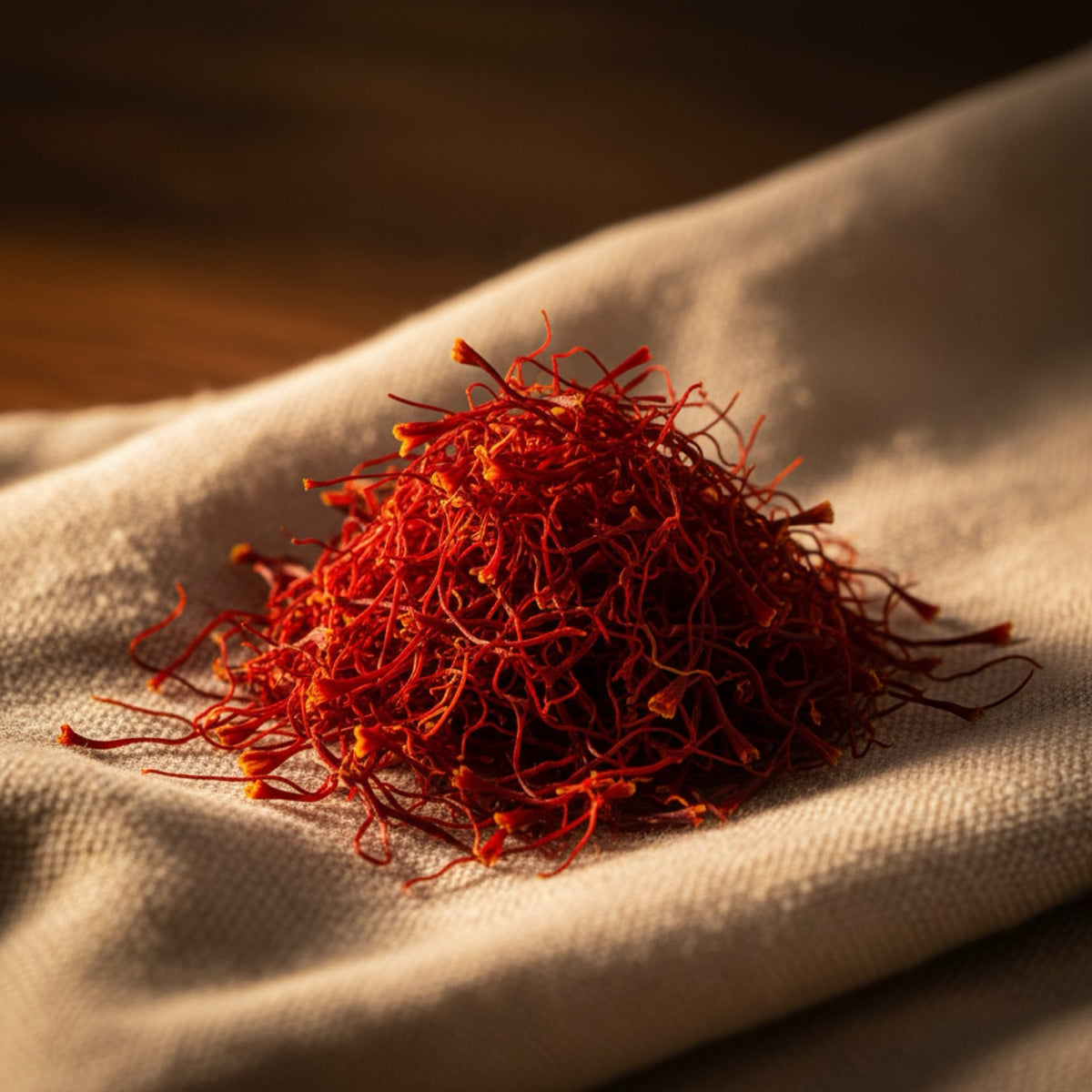
If you brew saffron tea at home, whole threads are the honest format — you can see exactly what you're steeping. Use 4–6 threads in hot (not boiling) water and give them time: genuine Super Negin threads release their gold gradually rather than staining the water instantly, which is one of the simplest at-home quality checks there is.
Typical trial setup
30–80 participants, 4–12 weeks, 30 mg/day extract, vs. placebo or active control. Outcomes are usually patient-reported symptom scales (HAM-D, BDI, PHQ-9).
Limits of the data
- Sample sizes are small.
- Industry funding is common.
- Long-term safety (> 12 weeks) is under-studied.
- Most trials are from Iran (the largest saffron producer).
- Replication by independent labs is sparse.
What this means for you
If you are experiencing mood symptoms, the right step is to talk to a doctor or licensed therapist — not to self-medicate with saffron threads or extract. Culinary saffron in tea or rice is enjoyable and traditional, but it is not a treatment.

A cup of saffron tea is allowed to just be a cup of tea
There's a reason saffron has been part of evening rituals across Iran, Afghanistan, Spain, and India for centuries. The smell is calming. The color is beautiful. A warm cup is a small good thing — and it doesn't need to do anything else to be worth making.
Continue reading