
In a Persian household, the moment of truth at the dinner table is not when the rice is served — it is when the pot is inverted onto a platter and the tahdig, the golden, shattering, saffron-bronzed crust at the bottom of the pot, slides out in one piece. Or doesn't. Tahdig is the heart of Persian rice cookery, and it is the single dish that separates a good cook from a great one.
This is a deep dive on what tahdig actually is, why it works, how to get it right, and how saffron makes it sing. For the recipe itself — ingredient list and step-by-step — see our companion Persian saffron rice with tahdig recipe page. This article is for the cook who wants to understand the dish.
A short history of the bottom of the pot
Rice is not native to Iran — it arrived from the east, probably along the same Silk Road routes that brought saffron. But somewhere between the Sassanian and Safavid periods, Persian cooks turned rice cookery into a national art form. The classic preparation, chelo, involves parboiling long-grain rice until just tender, draining it, and then steaming it in a pot lined with fat (clarified butter or oil) until the bottom layer transforms into something between a crisp pancake and a buttery cracker.
That bottom layer is tahdig, literally "bottom of the pot." In a traditional Persian meal it is the most-fought-over piece on the table. Banquet hosts will serve guests their tahdig first as a gesture of honor. There is a reason the dish has earned the loyalty it has — it is the product of two distinct kitchen sciences happening at once.
The science: Maillard plus starch gelatinization
What is actually happening at the bottom of that pot? Two reactions, layered.
Starch gelatinization
Long-grain basmati is roughly 20% amylose, the linear starch molecule that gives Persian rice its prized fluffy, separate-grain texture. During the initial parboil, the rice absorbs water and the starch granules swell and rupture, releasing amylose into the surrounding liquid. When you drain and steam, that liquid drains away — but a thin film of dissolved starch remains coating the bottom layer of grains, gluing them together.
The Maillard reaction
Once the pot is on low heat and the bottom layer hits roughly 285°F (140°C), the Maillard reaction begins. Amino acids in the rice react with reduced sugars from the starch breakdown to produce hundreds of flavor compounds and a deep golden-brown color. This is the same chemistry that browns toast, sears a steak, and caramelizes onions. In tahdig, it is responsible for that nutty, almost popcorn-like aroma and the bronze color.
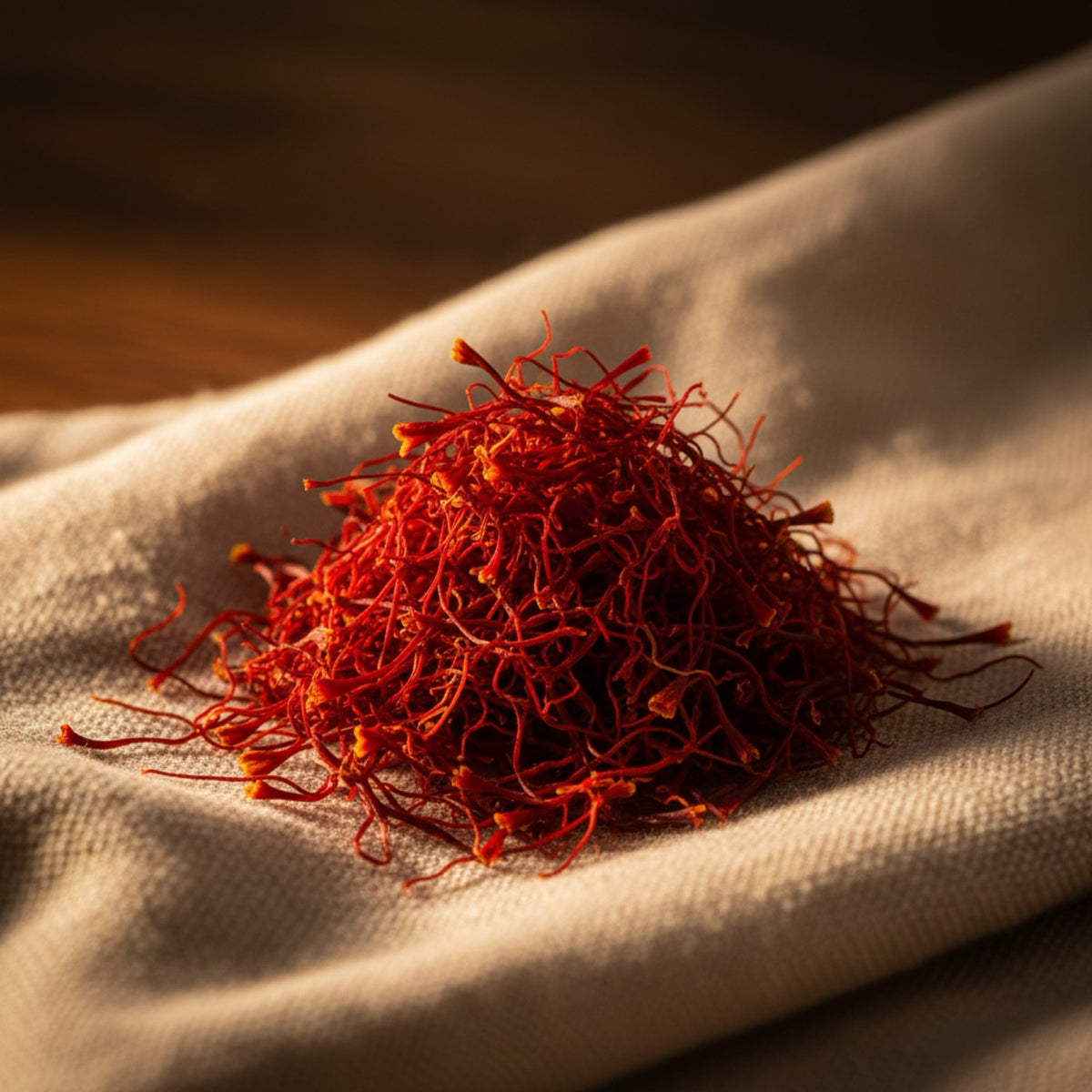
Saffron enters this story late but critically. The bloomed saffron poured over the top of the pile during steaming both colors the upper grains and, as it drips down through the rice, deepens the gold of the crust. Crocin (the pigment in saffron) is heat-stable up to fairly high temperatures, so even the heavily-browned tahdig retains its saffron character.
Editor's note
If your crust comes out golden but faint in aroma, the bloom is usually to blame. Grind the threads with a small pinch of sugar before adding warm — never boiling — water, and give them the full 15 minutes: genuine threads surrender their color gradually, and the binder rewards every minute of it.
The binder: yogurt or egg yolk
The most reliable tahdig is built with a binder. A traditional Persian recipe takes about a cup of the parboiled rice, mixes it in a bowl with one or two tablespoons of full-fat yogurt, a beaten egg yolk, a tablespoon of bloomed saffron liquid, and a generous pinch of salt. This slurry goes into the hot oil at the bottom of the pot first, where it spreads into an even layer. The rest of the rice is mounded on top in a cone shape.
What the binder does:
- Yogurt's lactic acid tenderizes the grains in contact with it and accelerates Maillard browning.
- Egg yolk's lecithin emulsifies the fat into the rice, giving the crust a richer, more cohesive texture.
- Salt draws out moisture during the early steam, which means the layer browns rather than steams.
You can make a perfectly good tahdig without a binder — plain parboiled rice in hot oil with patience will get there — but the yogurt-egg-saffron binder is what produces the sliced, golden-brown disc that sits on top of the inverted platter in a restaurant.
The technique: where it goes right and wrong
Heat curve
The single most important variable is your heat curve. Start medium-high for the first five to seven minutes to set the bottom layer and start the Maillard reaction. Then drop to the lowest possible flame, wrap the lid in a clean kitchen towel (to absorb steam and prevent condensation dripping back onto the rice), and let it go for 45 to 60 minutes. Most home cooks fail tahdig by either rushing the start (rice is still wet, binder steams instead of browning) or running too hot through the middle (crust burns before the rice above it is cooked through).
Pot choice
A heavy, non-stick or well-seasoned pot is ideal. Persian cooks often use a non-stick pot specifically because the inversion at the end is brutal on a stuck crust. A heavy-bottomed stainless pot works, but expect the first attempt to lose a few pieces of crust to the bottom.
The flip
When the pot is done, run a wet cloth under the bottom for thirty seconds (this contracts the metal slightly and helps release the crust), run a thin spatula around the edge, place a large platter inverted over the pot, and flip the whole thing in one decisive motion. If it does not come out clean, do not panic — lift it off in sections and reassemble on the plate.
Troubleshooting
The crust stuck to the pot
Almost always means there was not enough fat at the bottom, the heat was too low to set the crust, or you flipped before the rice contracted away from the pot. Add more oil next time (Persian cooks are not shy with it), and let the pot rest for two to three minutes off the heat before inverting.
The crust burned
Heat was too high during the long steam phase, or your pot is too thin. Drop a heat diffuser under the pot, or move down to a lower flame.
The crust is soggy
Steam dripped back down. You forgot the towel-wrapped lid, or the steam phase was too short. The crust needs both the dry heat from below and the moisture barrier above.
The rice on top is mushy
Almost always a parboil problem. The rice needs to be drained at the point where the grain is tender on the outside but still firm — about seven minutes in heavily salted water, depending on the brand. Test a grain by pinching it; the center should still have visible white starch.
Variations beyond rice-bottom
Once you understand the principle — a fat-coated layer browning under the steaming rice — the variations open up:
- Lavash tahdig: a sheet of thin lavash bread lining the bottom of the pot. Cooks faster than rice; produces a shattering, biscuit-like crust.
- Potato tahdig (tahdig-e sibzamini): thin rounds of potato in oil at the bottom. Becomes a crisp golden potato chip that crowns the rice.
- Bread tahdig: stale flatbread torn into the bottom of the pot — a thrifty version that is, in some Persian families, the most-loved.
- Tomato tahdig: rounds of tomato in oil with saffron — unusual but excellent for summer.

How to use Raihan Super Negin saffron for tahdig
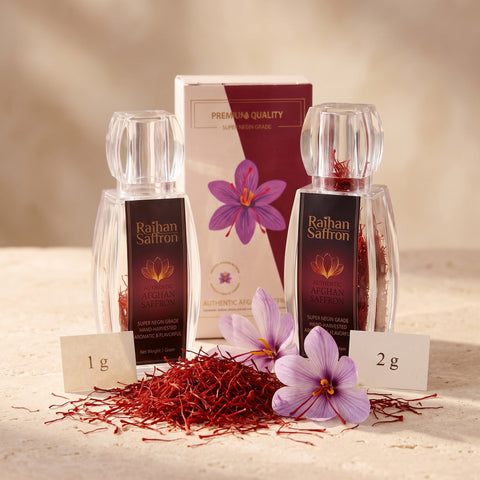
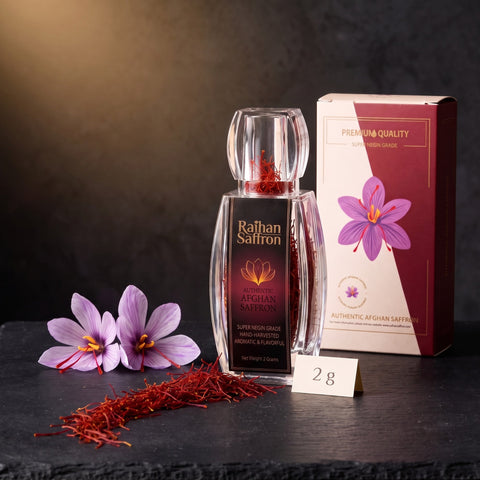
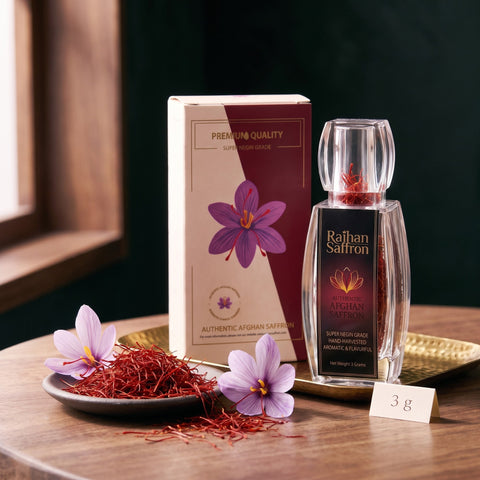
Saffron does three things in this dish: it colors the bloom that goes into the binder, it perfumes the rice during the long steam, and it tints the crust gold. For a six-portion pot, bloom a generous pinch — about 12 to 15 threads — in three tablespoons of warm water for at least 15 minutes. Use half in the binder slurry; reserve the other half to drizzle over the top of the rice cone before the lid goes on.
This is not a dish that rewards a stingy hand with saffron. Tahdig was invented for fine, aromatic threads, and Herati Super Negin — with its high crocin and long, deep-red strands — is exactly what the dish was designed to showcase. A 2 g bottle is enough for roughly six or seven of these pots.
Frequently asked questions
Do I really need to parboil and then steam? Can't I just cook it all the way through?
The two-stage method is what makes the texture work. Cooking the rice through in a single liquid (the absorption or pilaf method) produces a sticky, uniform texture — fine, but not Persian rice. The parboil-and-drain step lets the grains finish cooking in steam, which is what gives chelo its airy, separate-grain quality.
What rice should I use?
Aged Iranian long-grain basmati is the gold standard. Indian basmati — specifically aged, super-fine grain varieties — is an excellent substitute and more available in the US. Avoid jasmine, short-grain, and most American long-grain; the amylose levels and grain length are wrong.
Can I make tahdig in a rice cooker?
Some Persian rice cookers are designed for it — the inner pot is specifically non-stick and has a curved bottom. With a standard American rice cooker, you can get a thin tahdig, but the heat curve and the dry-then-steam dynamic are harder to control. The stovetop method is more reliable for first-timers.What is the role of the towel under the lid?
It absorbs the steam rising off the rice so condensation does not drip back onto the surface (which would re-wet the upper grains and prevent the crust from drying out below). This single tweak is what separates restaurant tahdig from home-cook tahdig.
How do I know when it's done?
Three signals: the kitchen smells like popcorn and saffron, you can hear a soft crackle if you put your ear near the pot, and a long skewer slid down the side comes out clean and lightly bronzed at the tip. If you are not sure, give it five more minutes — a slightly over-browned tahdig is still excellent; an under-browned one is just rice.
One pot, every Friday
Tahdig is the dish that, in Persian families, marks Friday lunch, holiday tables, and weddings. It is not difficult, but it rewards patience, good rice, and good saffron. Get the recipe, open a bottle of Herati Super Negin, and give your pot a Friday afternoon. Once you have flipped a clean one, you will be hooked.
Continue reading
The Afghan Saffron Story: Why Herat, Why Now
How Much Does Saffron Cost in 2026? Real Prices Per Gram, From the Grocery Aisle to Single-Origin