Afghan Saffron — Heritage, Terroir & Why It's Prized
Afghan Saffron
Afghan saffron — particularly from the highlands around Herat — consistently ranks at the top of international quality testing for color, aroma, and flavor. The combination of high-altitude soil, dry continental climate, and a hand-harvested tradition that runs back centuries produces threads that are longer, redder, and more concentrated than most saffron available in the U.S. Raihan Saffron sources directly from Afghan growers and ships Grade-A Super Negin and Negin from Lynn, Massachusetts.
Why Afghan saffron
Three things make Afghan saffron exceptional:
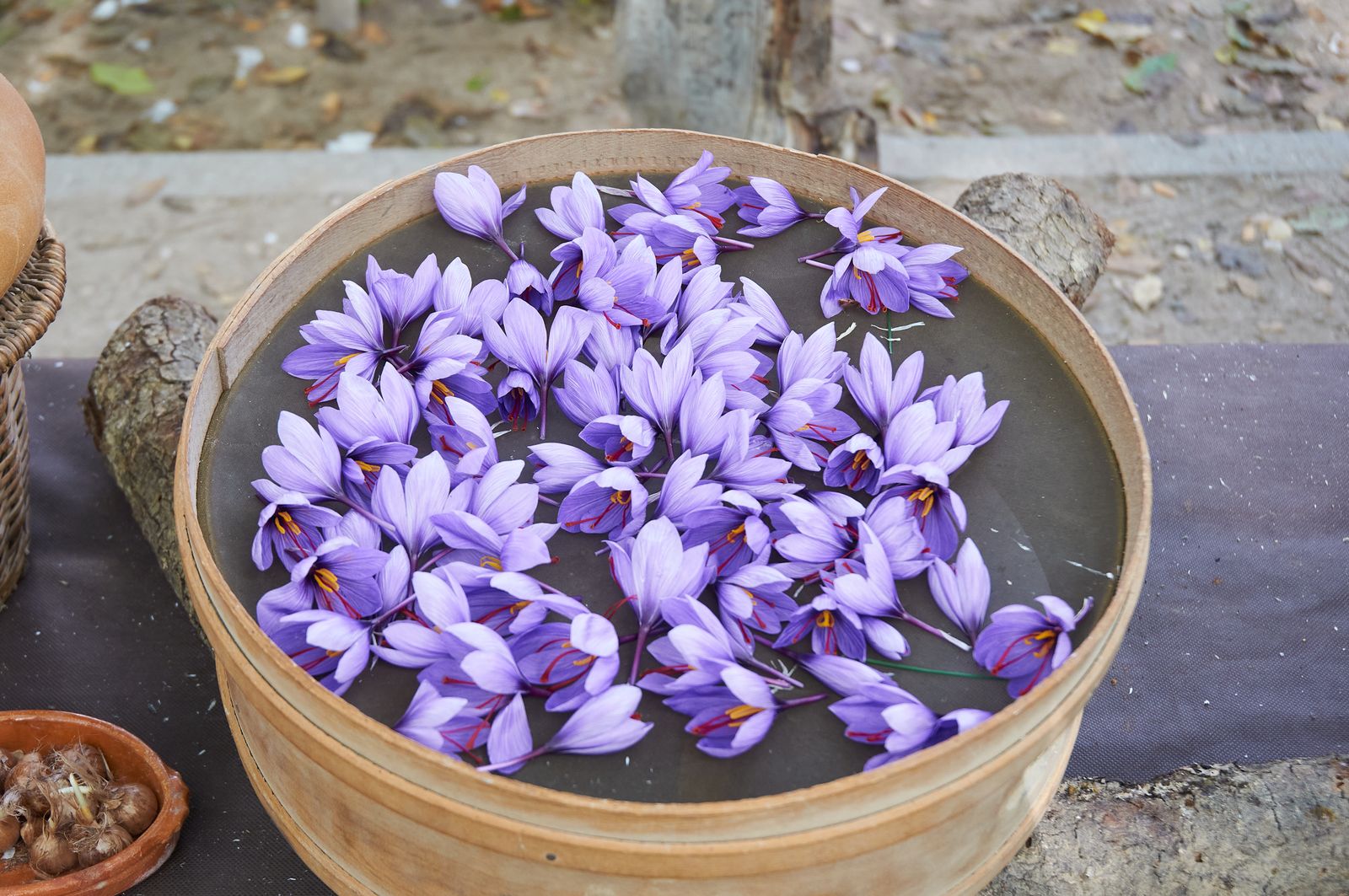
- Terroir. The Herat region sits at roughly 3,000 feet elevation with cold winters and hot, dry summers — a climate the Crocus sativus flower thrives in. The bulb develops slowly, concentrating the active compounds (crocin for color, picrocrocin for taste, safranal for aroma).
- Hand-harvested in the morning. Saffron flowers are picked at dawn before the sun damages the stigmas. Each flower yields three threads. It takes roughly 150,000 flowers to produce one kilogram of dried saffron.
- Top ISO 3632 grades. Independent labs routinely test Afghan saffron at Category I — the highest grade — with crocin readings well above the 200 threshold. Raihan only carries Category I.
Afghan vs Persian vs Spanish saffron
| Origin | Threads | Color (crocin) | Aroma | Typical use |
|---|---|---|---|---|
| Afghan (Herat) | Long, deep red, minimal yellow style | Very high | Floral, honey notes | Premium cooking, tea, gifting |
| Persian (Iranian) | Long, deep red — closest analog to Afghan | Very high | Floral, classic Persian flavor | Premium cooking, tea |
| Spanish (La Mancha) | Shorter, often blended grades | High | Earthier, slightly less floral | Paella, Mediterranean |
| Kashmiri | Very short, very rare | High | Distinct, slightly different profile | Indian cuisine, very limited supply |
See the full Afghan vs Persian comparison.
How we source
Raihan works with a cooperative of Afghan growers in the Herat region. We import directly through licensed U.S. importers, comply with all FDA spice-import standards, and store our inventory in climate-controlled conditions in Lynn, Massachusetts. Every tin carries the harvest year — saffron is best within two years of harvest, and we rotate stock seasonally.
Grades we carry
- Super Negin — the longest threads, deepest red, all-stigma, no style attached. Used for tea, gifting, and special dishes.
- Negin — long stigmas with minimal yellow style attached. The workhorse grade for serious home cooks and restaurants.
We do not carry Pushal or Sargol mixed grades, and we do not carry saffron powder. Read more on Sargol vs Negin vs Super Negin vs Pushal.
What to cook with Afghan saffron
Anything that benefits from deep color and floral aroma: kabuli palaw, Afghan saffron rice, Afghan saffron tea, saffron chicken pilaf, saffron lamb stew, and any Persian, Indian, or Mediterranean recipe in the recipe library.
Frequently asked questions
Is Afghan saffron better than Persian saffron?
They are extremely close — both routinely test at the highest ISO 3632 grade. Afghan saffron from Herat has a slightly more floral, honey-forward aroma; Persian saffron has the classic flavor profile most familiar from Iranian cuisine. Quality differences between vendors usually exceed quality differences between origins.
How do I verify my saffron is from Afghanistan?
Look for: the seller's stated origin region (Herat is the most common), the harvest year on the tin, ISO 3632 grade documentation, and visible thread quality — long, deep red, minimal yellow style, no broken bits. Full real-saffron tests →
How much does Afghan saffron cost compared to other origins?
Genuine Grade-A Afghan saffron typically retails $30–$60 per gram in the U.S. If you see Afghan saffron priced under $10 per gram, it's almost certainly mislabeled or adulterated. Why saffron is expensive →