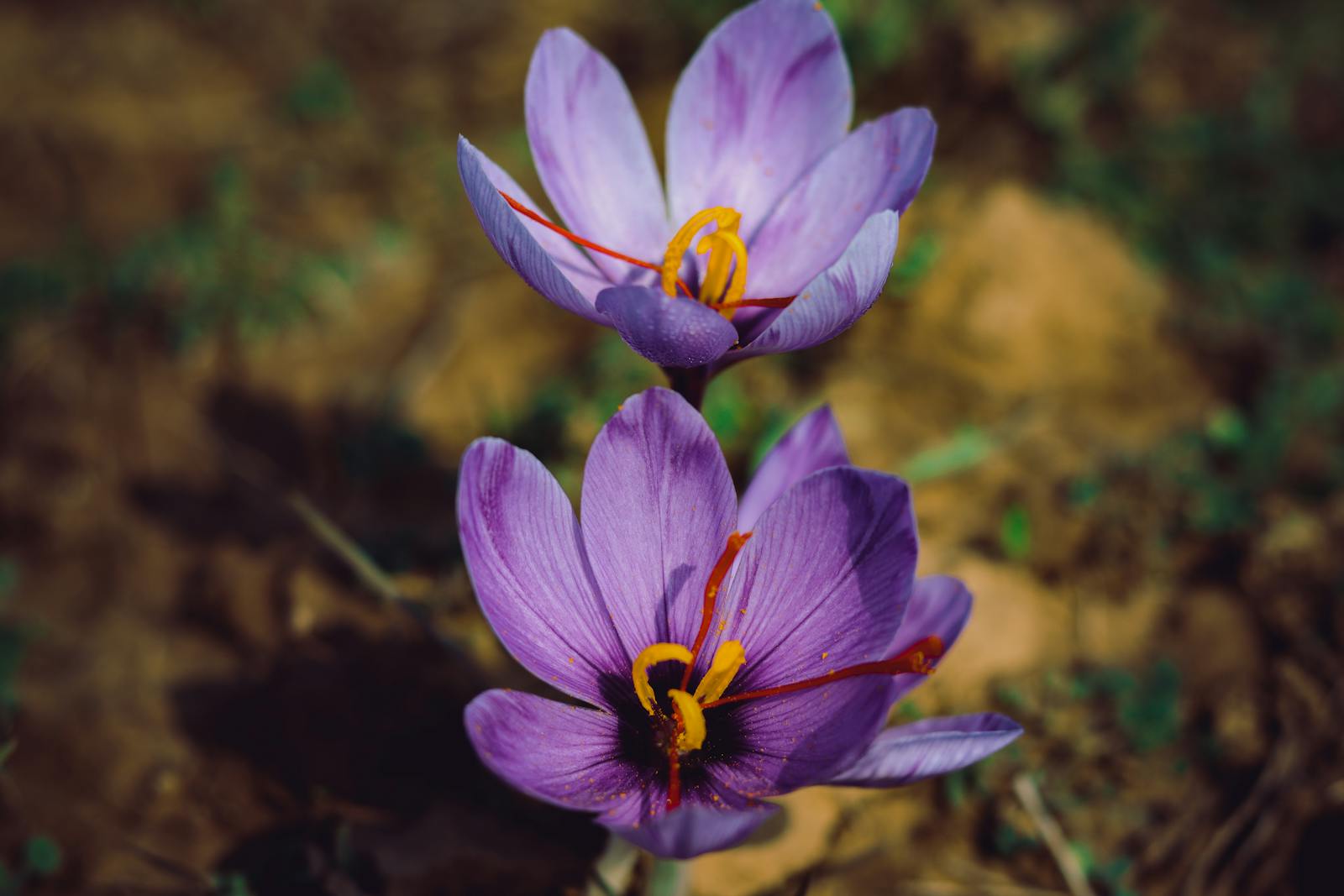
Saffron is the most expensive spice in the world by weight, and it is also the one most commonly used wrong. The home cook who sprinkles a few threads directly into a simmering pot of rice and wonders why the dish tastes vaguely of metal and looks the same color as plain rice is making the same mistake nearly everyone makes the first time.
The truth is that saffron threads are sealed packages. They have to be opened — "bloomed" — to release the color, aroma, and flavor that justify the price. Get the bloom right, get the dose right, and avoid four specific mistakes, and you have unlocked one of the most rewarding ingredients in the kitchen.
The bloom: the single most important saffron technique
Saffron's three active compounds — crocin (color), picrocrocin (taste), and safranal (aroma) — are all locked inside the dried stigma. They release into liquid, slowly, when warm water rehydrates the thread. This is the bloom, and it is non-negotiable for almost every saffron application.
The basic bloom
The standard method, used in Persian, Afghan, and Indian kitchens:
- Pinch the threads between your fingers. Crush them very lightly — you want broken edges, not powder — and drop them into a small cup or shot glass.
- Pour two to three tablespoons of warm water over them. "Warm" means hot tap water or water that has cooled for two minutes after boiling. Around 160–180°F. If it is too hot to comfortably hold the cup, it is too hot for saffron.
- Cover with a small saucer and let it sit for at least 15 minutes. Longer is better — up to several hours, refrigerated, for maximum extraction. The water will turn deep gold-orange.
- Add the liquid, threads and all, to your dish at the stage where it will absorb (steaming rice, simmering broth, custard base, drink).
Variations on the bloom
- Milk or cream bloom: for sweet dishes (kheer, kulfi, ice cream). Warm milk extracts saffron beautifully, though slightly more slowly than water. Use the same temperature rule.
- Stock bloom: for paella, bouillabaisse, risotto. A ladle of warm stock from your pot becomes the bloom vessel.
- Wine or spirit bloom: for cocktails and some savory braises. Saffron blooms well in wine, vermouth, and clear spirits; the alcohol pulls slightly different aroma compounds than water alone.
- Toasted bloom (Spanish method): some Spanish recipes briefly toast the threads in a dry pan for 10–20 seconds before adding warm liquid. This deepens the flavor and is traditional for paella.
Dosage: how much saffron for what dish
The right amount of saffron depends entirely on the dish. Here is a working dosage chart, based on Persian, Afghan, and Mediterranean kitchen traditions:
By application
- Saffron tea (per cup): 3–5 threads. Enough to clearly color the tea gold and contribute aroma without dominating.
- Saffron rice (per pot serving 4–6): 8–15 threads. Use 8 for a subtle backdrop, 15 for a showcase. Bloom in 3 tablespoons of water; drizzle over the rice during steaming.
- Dessert (custard, ice cream, sweet rice for 4): 10–15 threads. Bloomed in warm milk or cream.
- Soup or stew (serves 4–6): 10–15 threads, bloomed in warm stock and added in the last 20 minutes of cooking (saffron's aroma degrades with prolonged boiling).
- Paella (12-inch pan, serves 6): 15–20 threads, traditionally toasted then bloomed in warm stock.
- Bouillabaisse or seafood stew (serves 6): 15–20 threads.
- Showpiece dish (Persian wedding rice, biryani for 10+): 20+ threads, sometimes 30. The dish is designed to be visually saffron.
- Cocktail (per drink): 1–2 threads bloomed in a teaspoon of warm water, or a bar spoon of saffron syrup.
By weight, if you prefer to measure
Roughly 450–500 threads weigh one gram. So a 2 g tin contains around 900–1000 threads — enough for roughly 60 cups of tea, 60–80 portions of saffron rice, or 6–7 paellas. For most home cooks, a 2 g tin is one to two months of regular saffron cooking.
The four mistakes nearly everyone makes
Mistake 1: Sprinkling threads directly into hot oil or boiling liquid
This is the most common error and the most expensive. Threads dropped straight into hot oil seize and burn before they can release their compounds; threads dropped into boiling water release color but lose most of their aroma to the steam in seconds. Always bloom first. The bloom water then goes into the dish.
Mistake 2: Using boiling water for the bloom
Water above 200°F damages safranal, the most fragile of saffron's compounds. The color will still develop, but the aroma — which is most of what you are paying for — will be muted. Let boiled water sit for two to three minutes before pouring, or just use very hot tap water.
Mistake 3: Substituting powder for threads
Powdered saffron is rarely worth buying. It is much harder to verify (powder is the easiest form to adulterate), loses aroma faster than whole threads, and is usually made from lower-grade or older stock. If a recipe calls for ground saffron, grind your own threads with a pinch of salt or sugar in a mortar.
Mistake 4: Storing in clear glass or in a warm spot
Saffron's enemies are light, heat, oxygen, and moisture. A clear glass jar on a sunny shelf can degrade saffron's aroma in three to four months. The proper storage is an opaque, airtight tin (which is why we pack ours in tins, not glass), kept in a cool dark cabinet — not next to the stove or above the toaster. Stored well, saffron retains its character for two to three years.
How to use Raihan Super Negin saffron for your weekly cooking
A simple weekly rhythm to make a 2 g tin pay for itself:
- Weeknight rice. Bloom 10 threads in 3 tablespoons of warm water while you parboil your basmati. Drizzle the bloom liquid over the rice during steaming. Suddenly weeknight rice is a celebration.
- Evening tea. Bloom 3–4 threads in a splash of warm water; add to a small pot of black or rooibos tea with cardamom and honey. See our saffron-cardamom tea recipe.
- Sunday showpiece. One large saffron-centered dish a week — Kabuli pulao, tahdig, biryani, paella, or saffron ice cream. Use 15–20 threads. Show people what real saffron can do.
Once the rhythm is in place, the 2 g tin lasts five to seven weeks. The cost per dish settles around 30–40 cents — cheaper than most wine pairings, with a much more dramatic effect on the plate.
Frequently asked questions
Why does my saffron not turn the water gold when I bloom it?
Three possible causes: the threads are old (more than three years from harvest, or stored badly), they are a low grade (very pushal or bunch saffron releases less color), or they are not saffron at all (safflower, paprika threads, and other substitutes are commonly sold as saffron). Real Super Negin will turn three tablespoons of warm water a deep gold within 15 minutes.
Can I reuse the bloomed threads?
Yes — add them to the dish along with the bloom water. The threads still contain most of the picrocrocin (flavor) and safranal (aroma), even after the crocin (color) has released into the liquid. Eating the threads is part of the dish.
How much saffron is a "pinch"?
Roughly 20 threads, or about 0.04 g. A pinch is too vague for serious cooking; count threads or weigh on a 0.01 g jewelry scale if you want consistency.
Can I bloom saffron in advance and store the liquid?
Yes. Bloomed saffron liquid keeps in a sealed jar in the refrigerator for about a week. Some Persian cooks keep a small jar of "saffron essence" — threads bloomed in water with a few drops of vodka as a preservative — for weeks at a time.
How do I know when my saffron has gone off?
The aroma fades first. If the threads no longer smell distinctly saffron when you open the tin, they have lost their volatile compounds. Color usually holds longer, so old saffron can still tint a dish gold but will taste of nothing. Buy fresh; small tins are better than big ones.
The spice that rewards technique
Saffron is unforgiving of shortcuts and generous to anyone who learns its grammar. Fifteen minutes in warm water is the only real rule, and once it becomes second nature, every dish you put it in tastes like the inside of a Persian or Afghan kitchen. Pick up a 2 g tin and start with tea this evening.